


Vascular care focused on early detection & treatment
The vascular specialists at TMC Health provide expert diagnosis and treatment for conditions affecting the arteries, veins and lymphatic system. Our team offers a full range of vascular services using advanced technology to deliver the highest quality care.
Call 911 if you are seriously injured or feel you need emergency care. Emergency responders will help you decide the best course of action.
At Tucson Medical Center, our board-certified vascular surgeons and specialists provide comprehensive care for all types of vascular conditions. We offer the latest minimally invasive treatments and surgical procedures to restore blood flow, reduce symptoms and improve your quality of life.
Our patient-centered approach means we take the time to understand your unique needs and develop a personalized treatment plan. From diagnosis through recovery, our experienced team is here for you every step of the way. We utilize state-of-the-art technology for precise imaging and diagnosis of vascular issues. Trust Southern Arizona's leader in vascular care to help you maintain optimal vascular health.
Treatments we offer
- Amputation
- Angioplasty stenting
- Carotid endarterectomy
- Carotid stenting
- Dialysis access
- Endarterectomy
- Endovascular stent graft
- Foot care
- Limb salvage
- Surgical aneurysm
- Surgical bypass
- Thrombolytic therapy
- Venous access
认识我们的血管专家

Patient resources
Amputation is one of the most devastating consequences of diabetes. More than 60 percent of non-traumatic lower-limb amputations occur in people with diabetes and one diabetes-related amputation occurs in the world every 30 seconds. In addition, mortality rates increase with amputation. TMC’s goal is to save a limb, save a life.
Patients with diabetes often suffer foot problems because poor circulation and nerve damage lessen the body’s ability to feel pain in the foot or detect injuries. Even tiny cuts or ingrown toenails, left untreated, can cause serious tissue damage that may require amputation.
TMC’s Limb Salvage team is comprised of vascular and podiatric surgeons, nurses, technologists and registered dietitians who are available to all patients with lower-extremity ulceration. This combination of specialties arises from the concept of “toe and flow,” in which podiatric surgeons manage the non-vascular issues of the foot and vascular surgeons perform the necessary measures to ensure adequate circulation for healing.
The Limb Salvage team utilizes leading-edge methods such as rapid endovascular interventions, synthetic skin substitutes and prophylactic elective surgery to eliminate biomechanical foot abnormalities.
The TMC Wound Care Center, managed by Healogics™, provides specialized treatment for chronic or non-healing wounds, which are defined as sores or wounds that have not significantly improved from conventional treatments. Non-healing wounds lead to lower quality of life and may lead to amputations. When wounds persist, a specialized approach is required for healing. Typically, a wound that does not respond to normal medical care within 30 days is considered a problem or chronic wound.
Our Wound Care Center can help! With state-of-the-art treatments available including debridement, hyperbaric oxygen therapy, dressing selection, special shoes and patient education, people with non-healing and chronic wounds now have a place to turn. Find out more at Wound Care Center
If you have been diagnosed with vascular disease, we offer a number of treatment options from medical treatment to minimally invasive procedures to advanced surgical care. This includes:
- Amputation
- Angioplasty Stenting
- Carotid Endarterectomy
- Carotid Stenting
- Dialysis Access
- Endarterectomy
- Endovascular Stent Graft
- Foot Care
- Limb Salvage
- Surgical Aneurysm Repair
- Surgical Bypass
- Thrombolytic Therapy
- Venous Access
- Wound Care
The aorta is the major artery that carries blood away from the heart. There are many branches off the aorta, including arteries that carry blood to the kidneys and legs.
Ultrasound imaging is used to check the condition of the arteries in the abdominal aorta and its branches. One of the most important conditions detected by this evaluation is an abdominal aortic aneurysm, or AAA. An AAA is caused when the lining in the wall of the aorta becomes weak, and the artery balloons or gets bigger.
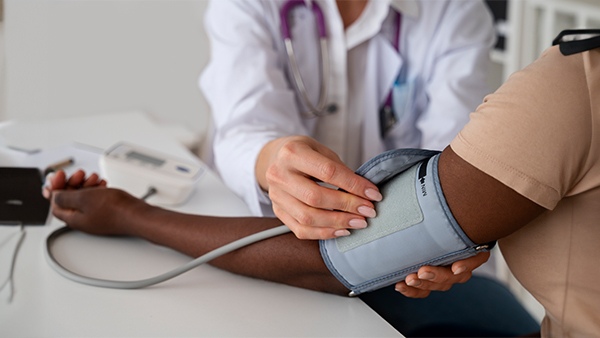
Ambulatory blood pressure monitoring, or ABPM, is when your blood pressure is measured as you move around, living your normal daily life. It is normally done over a 24-hour period. It uses a small digital blood pressure machine that is attached to a belt and which is connected to a cuff around your upper arm. It small enough that you can go about your normal daily life and even sleep with it on.
What to expect during the test:
- The machine will be fitted at TMC.
- A 24-hour blood pressure measurement is just the same as a normal blood pressure check: a digital machine takes your blood pressure by inflating a cuff around your upper arm and then slowly releasing the pressure. The machine is small enough to be worn on a belt on your waist while the cuff stays on your upper arm for the full 24 hours.
- The machine then takes blood pressure readings at regular intervals throughout the day. You will need to keep the monitor on through the night – you could put the machine under the pillow or on the bed while you sleep.
- Because the test is being carried out to find out what your normal daily blood pressure is, it is important to carry on with your normal routine and do all the things you would normally do. The only things you should avoid doing for the day are swimming and having a bath or shower.
- At the end of the 24 hours you will return to TMC to have the machine and cuff removed. The machine will have stored all your readings and these will then be analyzed.
The Vascular Lab offers comprehensive, coordinated tests for patients with vessel disorders in their brains or the neck. These disorders can cause things such as brain aneurysm causing subarachnoid hemorrhage and stroke.
These non-invasive ultrasound studies are performed by highly qualified and experienced technologists and read by vascular surgeons. The information from these tests provides physicians with information to assist in the management of vascular problems in the head and neck.
The Vascular Lab offers a range of tests, including:
- Transcranial Doppler
- Carotid Doppler Ultrasound
Peripheral artery disease (PAD) is a form of arteriosclerosis, more commonly known as hardening of the arteries. PAD is a condition in which the large- and medium-sized arteries that bring blood to the arms and legs become narrowed or clogged, which causes less blood flow to the muscles. This can cause pain or cramping in the legs during walking that stops during rest. PAD also increases the risk of heart attack, stroke and amputation of the legs. It is a very common condition, especially in people over the age of 50.
Screening for PAD often involves an arterial Doppler evaluation, which is a simple test used to see if there is blockage in the arteries. Additionally, ultrasound imaging may be used to see the arteries in the arms and legs. This checks for plaque build-up and shows the physician where and how bad it is. This exam, especially when done with the arterial Doppler evaluation, gives more information that helps with treatment and management decisions. This exam takes approximately 60 minutes.
Tests that may be included in your PAD exam
- Arterial Doppler
- Arterial Doppler with exercise
- Arterial Duplex
Deep vein thrombosis, or DVT, is a blood clot in the deep veins of the legs or arms. The majority of DVT is treatable with prompt diagnosis and treatment. Duplex ultrasound imaging of the veins in the arms and legs will evaluate for DVT and help your doctor decide on the best treatment plan.
What to expect from the test:
- This exam takes approximately 30-45 minutes.
- Before the test begins, the technologist will ask you to lie on the table with your head slightly elevated and to lie still.
- The technologist then spreads a special gel over the area that he or she will examine. The gel allows better images.
- The technologist presses the ultrasound wand against your skin and moves it along the course of the veins. The pressure may cause some discomfort.
- The wand sends the data to the computer, which produces images the technologist views and records on a television-like screen.
- During the test, you may hear a whooshing sound, which is the sound that the ultrasound machine makes to represent your blood moving through your body.
Ultrasound evaluation of the deep and superficial veins can determine the function or dysfunction of the valves in your veins. This exam provides essential information about which vein segments are functioning abnormally to help guide the vascular surgeon’s treatment and management of varicose veins.
What to expect from the test:
- This exam takes about an hour.
- Before the test begins, your physician or the technologist will ask you to lie on the table with your head slightly elevated and to lie still
- The technologist then spreads a special gel over the area that he or she will examine. The gel allows better images.
- The technologist presses the ultrasound wand against your skin and moves it back and forth. The pressure may cause some mild discomfort, but most people do not find the test painful.
- As the wand moves back and forth, it sends the information to the computer that produces the images the technician can view and record on a television-like screen.
- During the test, you may hear a whooshing sound, which is the sound that the ultrasound machine makes to represent your blood moving through your body.
You may be concerned about the health of your arteries and TMC offers screening tests performed by our technologists to address those questions. These screenings are not covered by insurance, but we offer all three for $30.
Self-pay and self-referred screenings are available for:
- Abdominal aortic aneurysm screening to determine the presence of an abdominal aortic aneurysm (weakening of the wall of the aorta).
- Carotid artery duplex evaluation: to determine the presence of significant carotid artery (blood flow to the brain) blockage.
- Peripheral artery disease screening, or PAD: to determine the presence of significant arterial blockage in the legs.
These screenings do not require a physician referral. You can access your results through our patient portal, MyChart, and a copy of your results will be mailed to you in about a week, which you can take to your next doctor's appointment to discuss the results.
Call (520) 324-2075 and ask to schedule your vascular wellness screening.
血管项目与服务
从诊断到微创治疗,TMC Health为您的健康需求提供多种服务:


