


Bat exposure guidance
TMC Health
·
09/14/2026
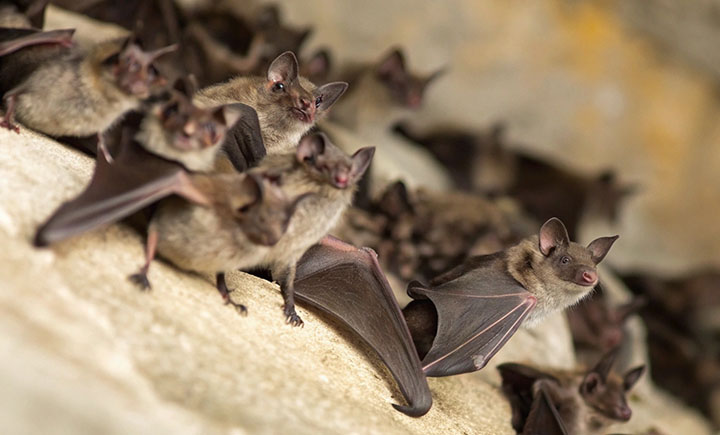
Based on reports from Pima County Health Department and local Tucson health care providers, there has been a notable increase in bat-related human exposures in Tucson and Pima County during 2026. A July 2026 report stated that Pima County had already exceeded the peak number of bat exposure investigations seen in 2025, with 194 bat exposures involving people reported.
Bat bites and scratches: Why they matter
Bats are the most common source of human rabies exposure in Arizona. Although only a small percentage of bats actually carry rabies, it is impossible to determine whether a bat has rabies by appearance alone. Rabies is almost always fatal once symptoms develop, but it is highly preventable if treatment begins promptly after an exposure.
What counts as an exposure?
Seek medical evaluation if:
- A bat bites or scratches you
- Bat saliva gets into your eyes, mouth, nose, or an open wound
- You wake up and find a bat in the room
- A bat is found in a room with a sleeping person, young child, or someone unable to reliably report contact
- You handled a bat without proper protection
Bat bite and scratch precautions
If you are bitten or scratched by a bat:
- Wash the wound immediately with soap and water for at least 15 minutes
- Apply an antiseptic if available
- Contact your healthcare provider, Employee Health (for occupational exposures), or the local health department as soon as possible
- If it can be done safely, do not release the bat. Testing the bat for rabies may help determine whether treatment is needed
- Do not handle the bat with bare hands. Use thick gloves or a container if capture is necessary
When to seek emergency care
Seek immediate medical evaluation if:
- You are bitten or scratched by a bat
- You had direct contact with a bat and are unsure whether a bite occurred
- A bat was found in a bedroom where someone was sleeping
- An immunocompromised individual may have been exposed
Preventing Bat Exposures
- Never touch a bat, alive or dead
- Teach children not to handle bats
- Keep doors, windows, chimneys and attic openings screened or sealed
- Ensure pets are current on rabies vaccinations
- If a bat enters your home, avoid direct contact and contact animal control or wildlife professionals for assistance
Any bat bite, scratch, or direct contact with a bat should be reported and medically evaluated immediately. Because bat bites can be very small and difficult to detect, prompt assessment is important to determine whether rabies post-exposure treatment is needed. Never handle a bat with bare hands.


